
Fewer Nepali work permits this year: what the Croatian police figures show, and what they don't
From January to September 2026 Croatia issued 124,023 residence-and-work permits, 8.9% fewer than a year earlier. Permits issued to Nepali citizens fell about 30% to 17,386, and the Philippines moved ahead of Nepal. But these are permits issued, not the number of workers in the country.
Published 2026-10-11 · Source checked 2026-10-10
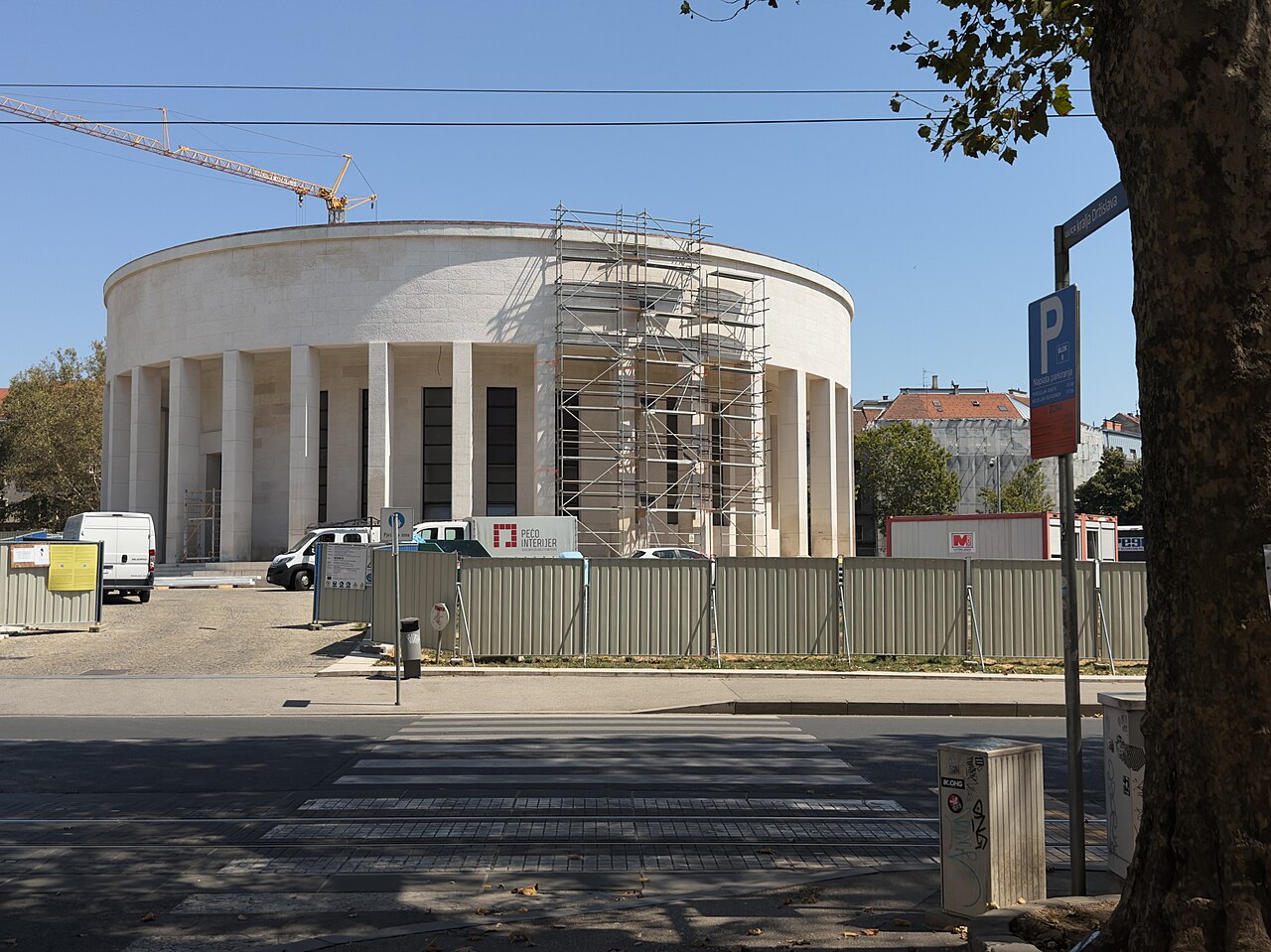
The Interior Ministry (MUP) has published its permit statistics up to 30 September, and Croatian media picked up the story this week. In the first nine months of 2026, Croatia issued 124,023 permits for residence and work to third-country citizens. A year earlier the figure was 136,194, so the drop is 8.9%. The numbers count permits issued in the period, whether a first permit, a renewal or a seasonal one.
For Nepali citizens, MUP lists 17,386 permits issued up to 30 September, against 24,948 in the same period of 2025 – a fall of about 30% (our calculation from the two MUP tables). Nepal is now fourth. Bosnia and Herzegovina leads with 22,565, Serbia has 19,886, and the Philippines has 18,712, up from 12,809 a year ago. Nepal was second last year. Financije.hr, which reported the comparison, noted that the order of Nepal and the Philippines has reversed.
The biggest change is in who gets what kind of permit. New-employment permits fell from 68,587 to 48,847 (-28.8%). Renewals rose slightly, from 48,656 to 49,805, and this year they outnumber new hires. Seasonal permits jumped from 18,951 to 25,371. By sector, construction fell from 40,124 to 32,701 permits (-18.5%), while tourism and hospitality rose 5.1% to 48,156 and retail rose 13.5% to 7,752.
Be careful with the conclusion. These are permits issued, not workers. Poslovni dnevnik pointed out in August that the maximum length of a permit was extended from one to three years last March, so fewer people need a renewal in any given year, and that MUP's permit records are not a reliable count of how many foreign workers are actually in Croatia. Financije.hr itself says the figures raise the question of whether demand for workers is changing or whether procedures and the length of existing permits are behind the drop. Večernji list links the fall to the stricter Aliens Act (Zakon o strancima) and tighter rules on bringing in workers.
What does it mean for you? For Nepalis already here, the numbers do not say that permits are being cancelled; renewals are holding steady. For relatives and friends hoping to come, new-employment permits overall are down almost 29% on a year ago, and Nepal's number has fallen sharply. Seasonal work is the category growing fastest.
What to do: check the end date on your own permit now and start the renewal early, with your employer's help. If a recruiter promises a quick permit abroad, ask which Croatian employer is hiring you and check it yourself with the employer; our advice is never to pay anyone for a guaranteed permit. Official statistics are on the MUP website under Statistika, and permit rules are on mup.gov.hr under Radne dozvole.
Read next
 Immigration & Residence · GUIDEA job offer is the beginning: making sense of Croatian work permits
 Work & Salary · GUIDEOvertime, night shifts and Sundays: the extra pay Croatian law gives you, and how to check it
Sources
- MUP – Statistika izdanih dozvola za boravak i rad, 1 Jan–30 Sep 2026 (PDF) · Official source
- MUP – Statistika izdanih dozvola za boravak i rad, 1 Jan–30 Sep 2025 (PDF) · Official source
- Financije.hr – Hrvatska izdaje manje radnih dozvola (10 Oct 2026) · Specialist publication
- Večernji list – Filipinci po brojnosti odmah iza radnika iz BiH i Srbije (9 Oct 2026) · Newspaper
- Poslovni dnevnik – Stranih radnika u Hrvatskoj je 30-ak tisuća više nego početkom godine (11 Aug 2026) · Newspaper
- Mirovina.hr – Zaposleno je 124.023 stranih radnika od siječnja do rujna (8 Oct 2026) · Newspaper
This explanation is based on linked sources and does not claim independent on-the-ground reporting.
Found an error? Send a correction.