
Nepali olive picker injured near Pula: what to do if you are hurt at work in Croatia
Istria police say a 27-year-old Nepali woman was seriously injured on 19 October when a van drove over her as she rested in tall grass during the olive harvest. Here are your rights and the steps if you are injured at work.
Published 2026-10-21 · Source checked 2026-10-20
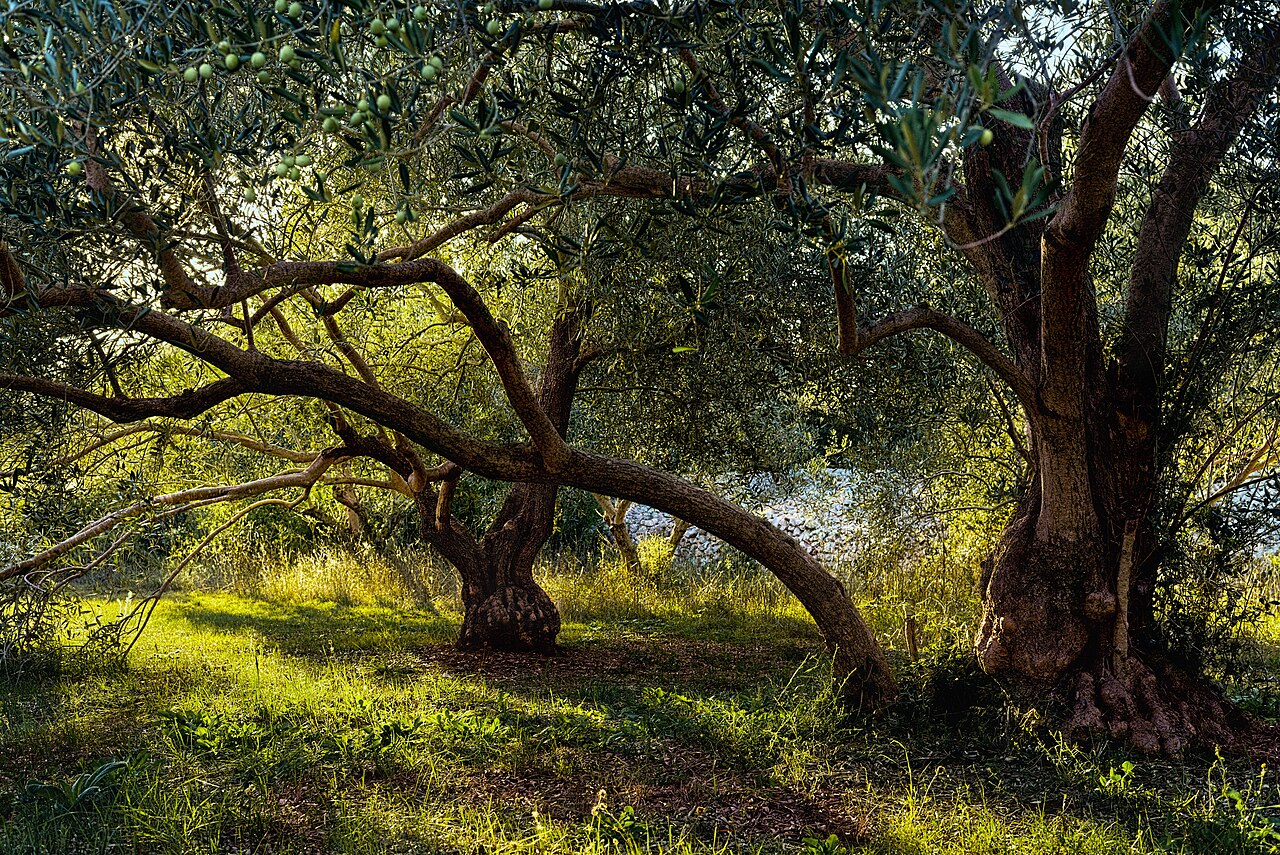
On Monday 19 October, around 12:00, police in Pula received a report of an injured olive picker in a grove on Fažanska cesta. According to the Istria police statement, which Hina, N1, Index and Glas Istre all repeated, a 41-year-old van driver drove over a 27-year-old Nepali citizen who was lying in tall grass, resting from picking olives. The driver did not see her. She was seriously injured and treated at the hospital in Pula, and police said the labour inspectorate (inspekcija rada) has been informed. We are not naming her. All the reports rest on that one police statement, so there is nothing yet on her condition, her employer or what the inspection will find.
This is one incident, not a sign of a pattern. But the olive harvest is under way in Istria and Dalmatia, and many Nepali workers are in groves, farms and other jobs where vehicles and workers share the same ground. It is a good moment to know your rights if you are hurt at work.
 Work & SalaryTax refund in Croatia: do you get money back? What to do before the end of February
What counts as an injury at work? HZZO, the Croatian Health Insurance Fund, describes it as an injury caused by a sudden mechanical, physical or chemical force, or a sudden strain on the body, that is connected with the job you are insured for. The same applies on your normal route between home and work. HZZO also lists what is not counted, for example fights, work under alcohol or drugs, and a rest break that was not taken at the prescribed time or not used to recover for work. Each case is decided by HZZO, so we do not say anything about whether this case will be recognised.
If you are hurt, the steps are: first, get medical help (112 in an emergency). Second, tell your employer the same day, because the employer is the one who files the form 'Prijava ozljede na radu' with HZZO. HZZO sets a deadline of eight days from the injury for that report. Third, if the employer does not file it, your chosen family doctor must do it when you ask, and you can also submit the request yourself. Fourth, your family doctor registers the sick leave.
The money is better than for ordinary illness. According to HZZO and the government's social-security portal, for a recognised injury at work your salary compensation is 100% of the calculation base, from the first day, calculated and paid by your employer and refunded by HZZO. HZZO also covers health care and travel costs linked to the treatment. For comparison, ordinary sick leave is paid at a lower rate, which we explain in our guide to sick leave (bolovanje).
All of this works only if you are registered with HZZO through your employer. So check the basics before you start any job, including a short seasonal one: you have a written contract, your employer has registered you for health insurance, and you get a payslip. If something is wrong, you can ask the employer's accountant first and then the labour inspectorate.
Our own common-sense tips for the grove, not a legal rule: rest where your team can see you and away from tracks and parked vehicles, not in tall grass. Wear bright clothing. Ask the team leader where vehicles will drive and who gives the signal when they move. Save photos, the time, place and names of witnesses if anything happens, and keep every hospital paper.
This is general information, not legal advice. For your own case, contact your HZZO regional office or the labour inspectorate. Question for you: has your employer shown you where to rest and where vehicles drive during the harvest? Tell us in the comments.
Read next
 Work & SalaryCroatia sets the 2027 minimum wage: €1,130 gross. 5 things that change for you on 1 January
 Life in CroatiaDalmatian dogs: named after a Croatian region, born without spots
Sources
- HZZO – 1. Ozljeda na radu · Official source
- Moja socijalna sigurnost (gov.hr) – Injury at work / occupational disease – short-term benefits · Official source
- Index.hr – Nepalka (27) se odmarala tijekom berbe maslina u Istri, pregazio je kombi (20 Oct 2026) · Newspaper
- N1 / Hina – U Puli teško ozlijeđena nepalska beračica maslina (20 Oct 2026) · Newspaper
- Glas Istre – Kombijem pregazio beračicu maslina koja je odmarala u travi (20 Oct 2026) · Newspaper
This explanation is based on linked sources and does not claim independent on-the-ground reporting.
Found an error? Send a correction.