
Heating will cost more this winter: the cheapest options, and what renters can do
Heating oil costs 92% more than last year, pellets about 30%, firewood 10% and household electricity about 15%, HRT reports. Energy experts name district heating, gas, heat pumps and firewood as the cheaper choices, and advise against plain electric heaters where there is another option.
Published 2026-10-11 · Source checked 2026-10-09
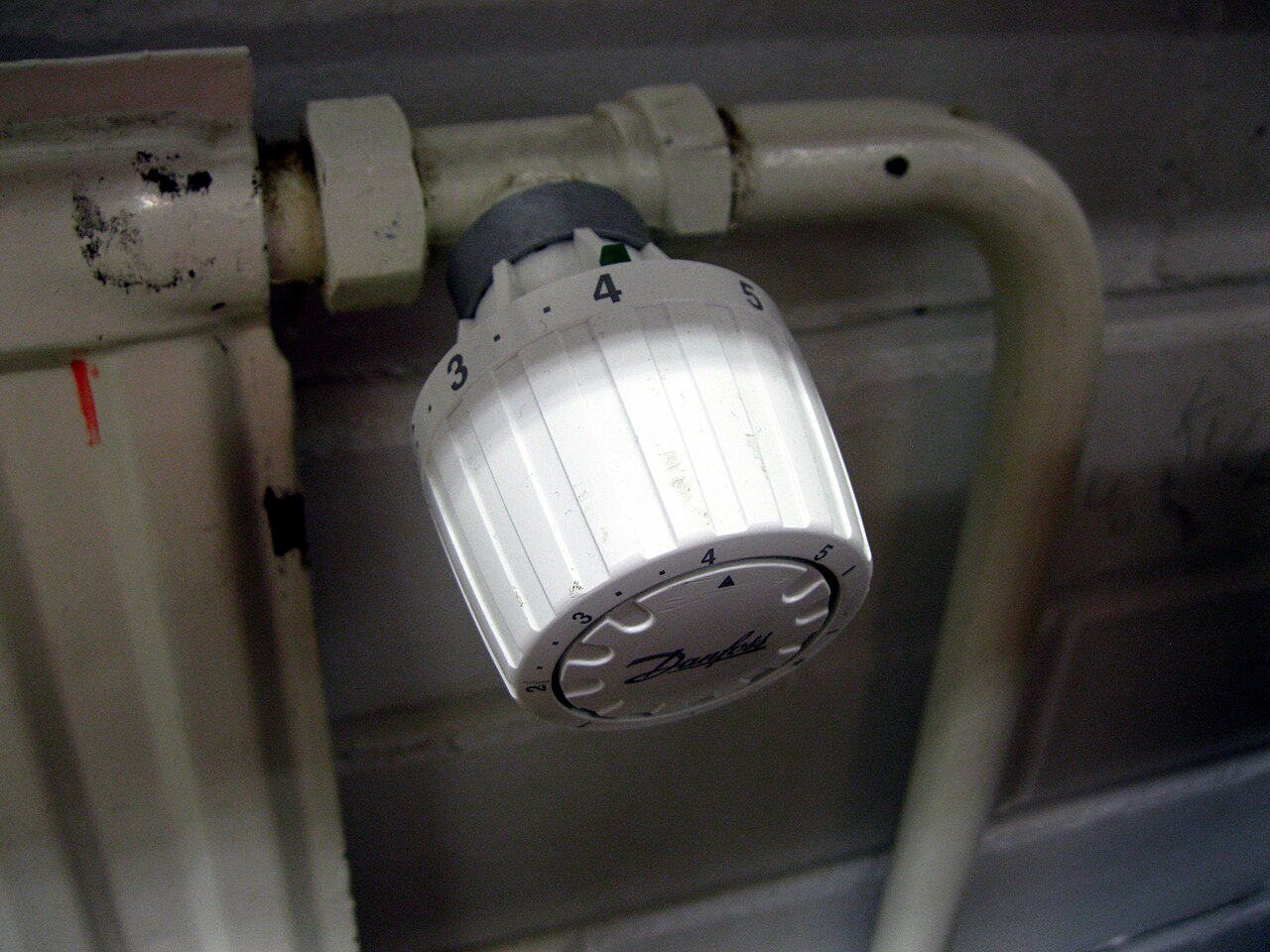
The heating season has started – Slavonski Brod woke to just 3°C one morning this week, Brodportal reported – and almost every way of heating a home costs more than last winter. In HRT's consumer programme Potrošački kod on 9 October, experts compared prices with a year ago: firewood is about 10% more expensive, household electricity 15%, extra-light heating oil 92%, and pellets about 30%, with further pellet rises possible before the end of the year. Brodportal quotes the power company HEP as saying that changes in energy prices and network fees have raised the average household's electricity bill by about 12%.
Gas for households has cost about €4 more per megawatt-hour since 1 October. Dalibor Pudić of the Croatian Gas Association told HRT that this means a final price about 7–8% higher: for a 60–70 m² flat using about 10 MWh a year for heating and hot water, roughly €40 more a year, and €80–100 more for households that use more.
 Life in CroatiaInsured but without a family doctor? Thousands of Nepali workers are in that gap
Which options are cheapest? Energy expert Danijel Srb told HRT that district heating (gradske toplane), natural gas, heat pumps and firewood are the better choices this season. He explained that the state subsidises gas and electricity prices and influences district-heating prices, while other fuels follow the market. Where people have a choice, he advised against extra-light heating oil and resistance electric heating – classic plug-in electric heaters and similar devices that turn electricity straight into heat. In Dalmatia, Pudić said, inverter air conditioners (air-to-air heat pumps) are a very cheap option, giving almost three kilowatt-hours of heat for each kilowatt-hour of electricity.
Most Nepali workers rent, often a shared flat or room, so we do not choose the heating system. But everyday choices still matter. Based on the experts' figures, if your flat has an inverter air conditioner, using it in heating mode will usually cost much less than a plug-in electric heater giving the same warmth. Srb also stressed setting thermostats and controls so that rooms are comfortable with the least energy. Insulation is the biggest saving – he said a well-insulated house or building can use 60–70% less energy for heating – but that is the owner's job, not the tenant's.
For those who buy their own fuel: Brodportal reports that a 15 kg bag of pellets now reaches about €7, and that a cubic metre of beech logs from the state forestry company Hrvatske šume costs about €40, a price it expects to keep until April. Cutting, splitting and delivery cost extra. Buying early is usually cheaper than buying in January, when last season's pellet shortage pushed prices up sharply.
What to do: check your lease for who pays the bills (režije) and whether heating is included in the rent. If you share a flat, agree in advance how the electricity and gas bills will be split, and keep copies. Ask your landlord whether the air conditioner can heat and whether radiators have thermostat valves. Heat the room you are in rather than the whole flat, and close doors and curtains at night. Never heat a room with a gas cooker or by burning charcoal indoors: it can cause carbon-monoxide poisoning.
Read next
 Life in CroatiaWhat the November 17 price-display deadline means for your shopping
 Work & Salary · GUIDEOvertime, night shifts and Sundays: the extra pay Croatian law gives you, and how to check it
Sources
- HRT Vijesti – Čime se najviše isplati grijati ove zime i kako smanjiti račune? (9 Oct 2026) · Newspaper
- Zagreb.info – Stručnjak otkrio kako smanjiti račune grijanja (10 Oct 2026) · Newspaper
- Brodportal – Počinje sezona grijanja, troškovi veći nego lani (6 Oct 2026) · Newspaper
This explanation is based on linked sources and does not claim independent on-the-ground reporting.
Found an error? Send a correction.