
From the necktie to Vegeta: 10 things Croatia gave the world (one is probably in your kitchen)
The tie, the Dalmatian dog, the first self-propelled torpedo and a seasoning sold in about 40 countries all have Croatian roots. We checked ten of them against reliable sources, and say where the story is more complicated than the legend.
Published 2026-10-16 · Source checked 2026-10-16
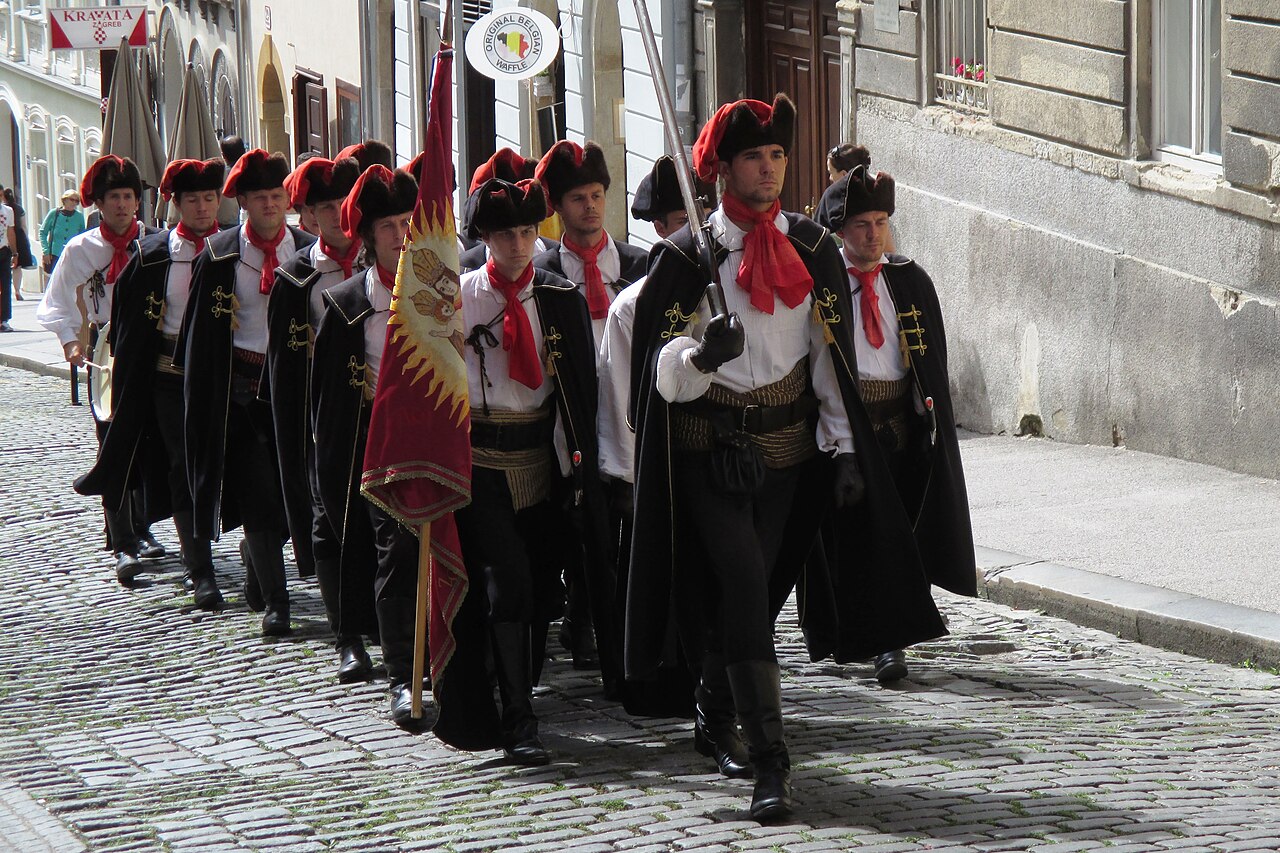
Every man in a tie is wearing a little piece of Croatian history. This small country has given the world more than most people realise. Here are ten, checked against reliable sources. Where the story is more complicated than the legend, we say so.
1. The necktie (kravata). In the 17th century, during the Thirty Years’ War, Croatian light cavalry served in the French army, wearing a red scarf tied around the neck. In 1664 France founded a Croatian regiment, the ‘Royal Cravates’, and the French word cravate comes from the name of the Croats.[1][2]
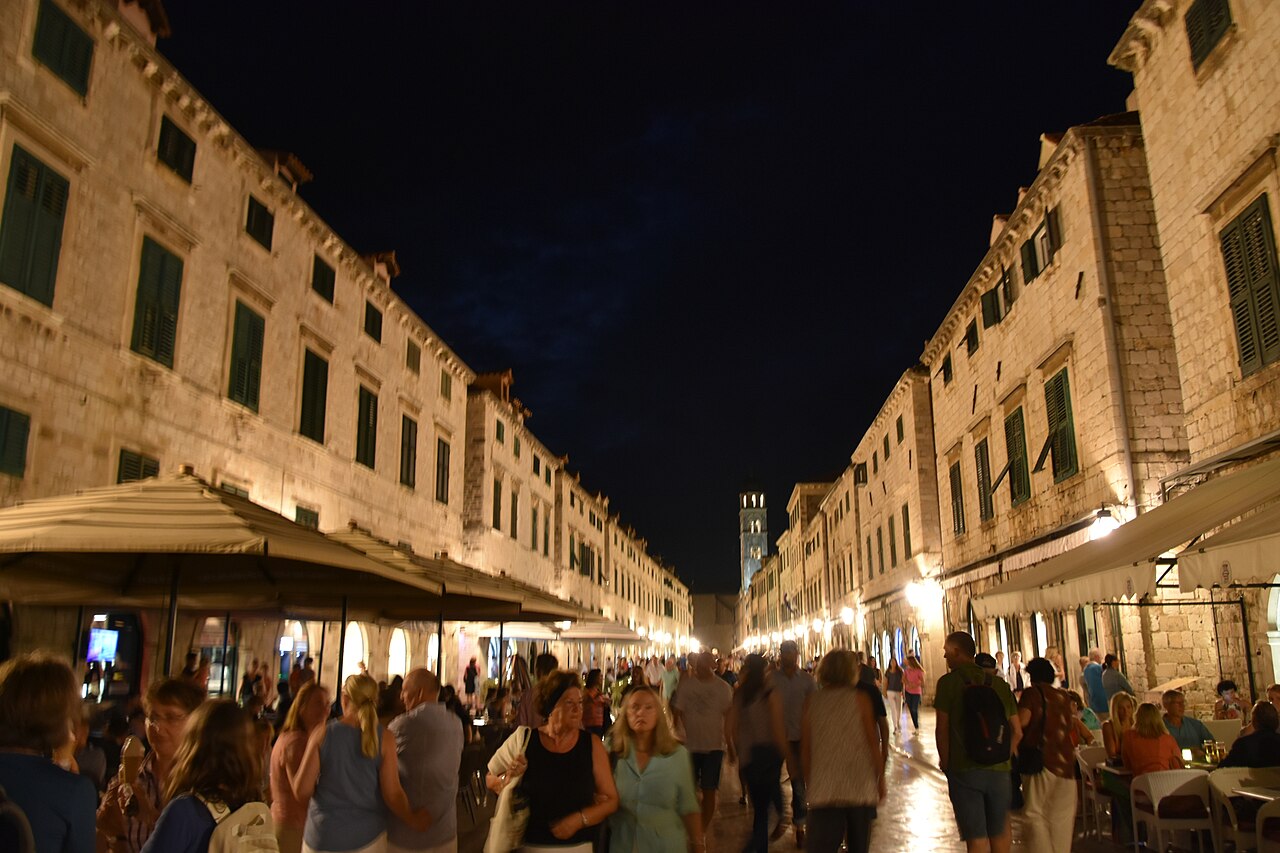
Croatia’s parliament made 18 October Cravat Day in 2008. That is this Sunday, and Zagreb marks it with the Cravat Regiment’s changing of the guard.[1][2]
2. The Dalmatian dog. The spotted breed is named after Dalmatia, and the international dog federation FCI lists Croatia as its country of origin. The earliest known written mention, a hunting dog with white hair and black round spots, dates from 1375.[3][4]
3. The automatic pencil and the solid-ink pen. Slavoljub Eduard Penkala, an engineer who made Zagreb his home, patented an ‘automatic’ (mechanical) pencil on 24 January 1906 and a solid-ink fountain pen in 1907. He did not invent the very first mechanical pencil, but his improved version made his factory one of the biggest of its kind. The company, TOZ Penkala, still exists.[5]
4. The torpedo. Ivan Lupis (Giovanni Luppis), a naval officer born in Rijeka in 1813, came up with the idea of a self-propelled weapon against ships. Working with British engineer Robert Whitehead at a factory in Rijeka, the first self-propelled torpedo was demonstrated on 21 December 1866.[6]
5. A parachute on paper. Faust Vrančić from Šibenik drew ‘Homo Volans’, the flying man, in his book Machinae Novae (Venice, 1615 or 1616). It is one of the earliest parachute designs. Legend says he tested it by jumping from a bell tower in Venice in 1617, but no evidence of that jump has been found.[7]
6. Nikola Tesla. The inventor best known for the alternating current (AC) power system was born on 10 July 1856 in Smiljan, in the Lika region. It was then part of the Austrian Empire and is now in Croatia; his family were ethnic Serbs.[8]
7. Fingerprint identification. Ivan Vučetić, born on the island of Hvar in 1858, emigrated to Argentina in 1884 and became Juan Vucetich. He built a fingerprint filing system, and in 1892 Argentine police made the first identification of a criminal from a fingerprint. Police forces around the world adopted his method.[9]
8. Quarantine. In 1377 the Republic of Ragusa, today’s Dubrovnik, made newcomers wait 30 days in isolation before entering the city, to keep out the plague. Venice later stretched it to 40 days, and ‘quarantine’ comes from the Venetian word for forty.[10]
9. Vegeta. The seasoning was developed in 1958 at Podravka in Koprivnica by a team led by chemical technician Zlata Bartl, and first sold in 1959. Today it is sold in about 40 countries, so there may well be a packet in your kitchen right now.[11]
10. A museum for heartbreak. After their own relationship ended, Zagreb artists Olinka Vištica and Dražen Grubišić began collecting objects left over from break-ups. First shown in 2006, the Museum of Broken Relationships won the Kenneth Hudson Award for Europe’s most innovative museum in 2011 and has toured dozens of countries.[12]
Want to surprise your Croatian colleagues at the next coffee break? Drop one of these. If you are learning the language for the basic Croatian test for permit renewals, ‘kravata’ is an easy first word. For the bigger story of how today’s Croatia formed, read our short history explainer.
Which of these surprised you most? And what has Nepal given the world that Croatians should know about? Tell us in the comments.
Read next
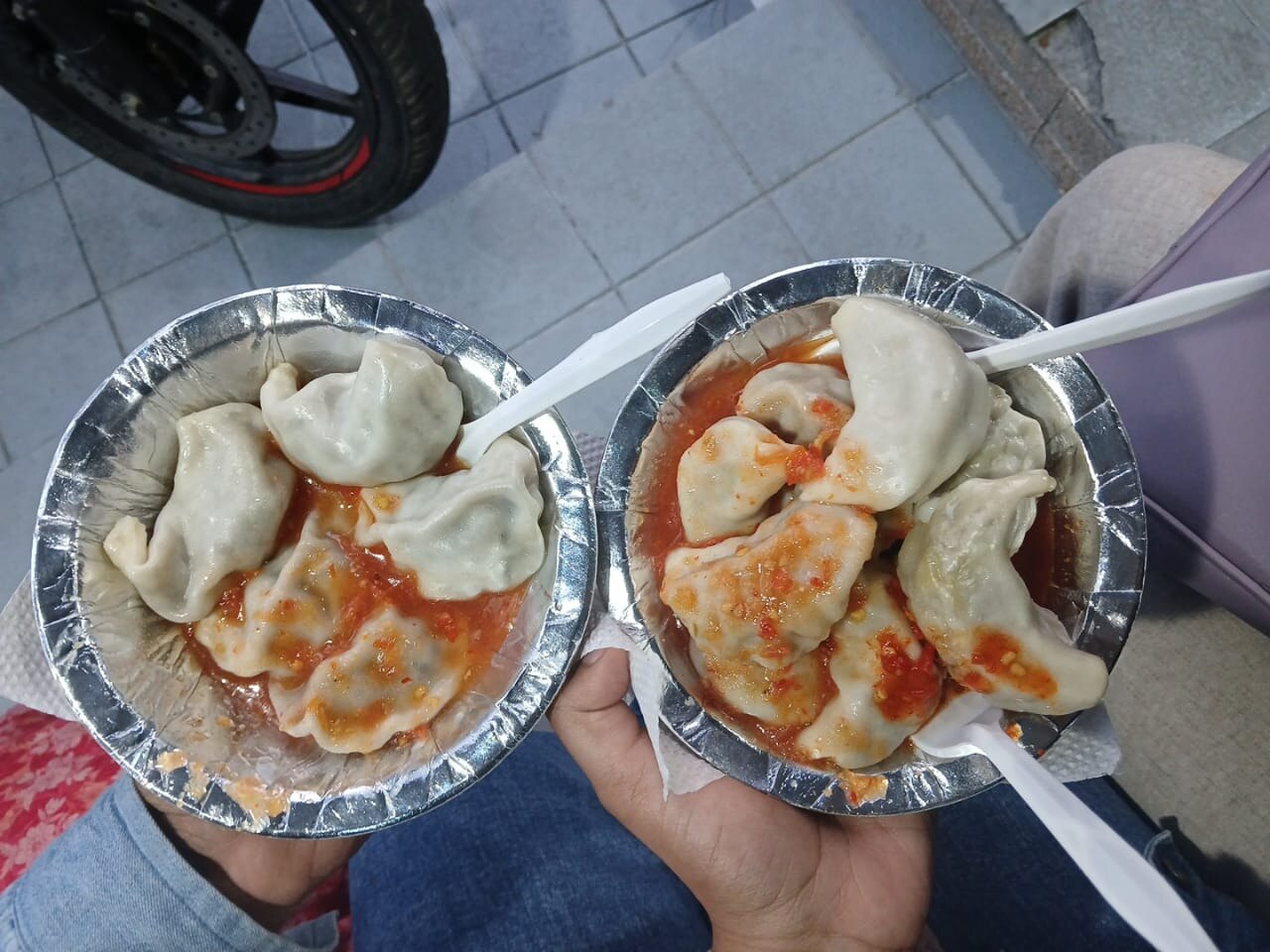 Life in CroatiaHomemade momo in Croatia for about €2.40 a plate: the Croatian word for every ingredient (and why ‘kim’ is not cumin)
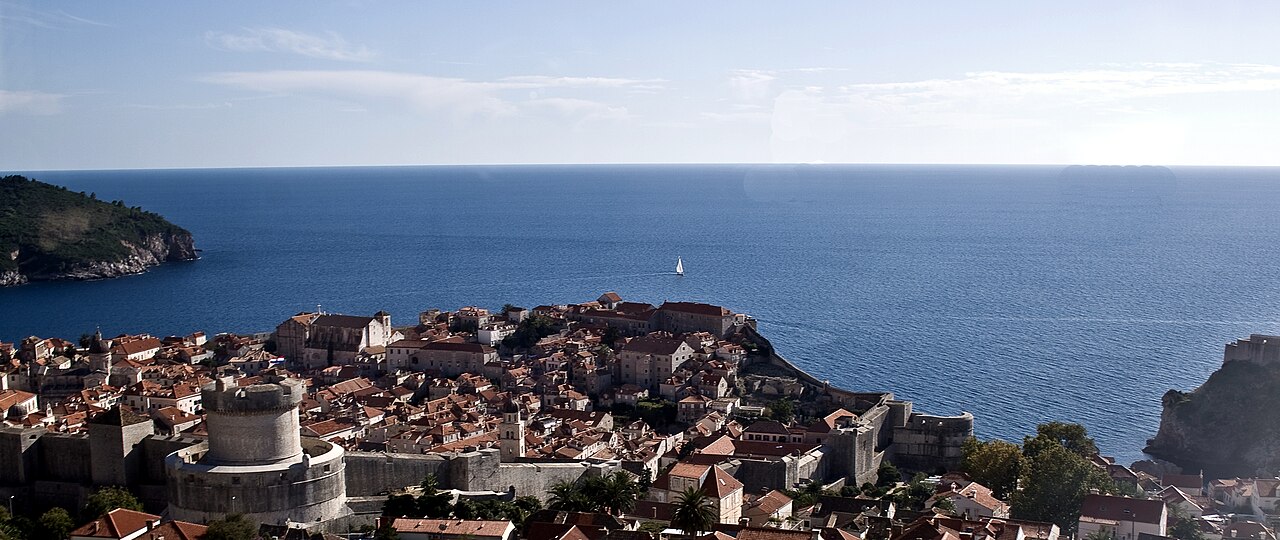 Useful Guides · GUIDEHow today’s Croatia took shape: independence, reintegration and Europe
Sources
- Zagreb Tourist Board (Infozagreb) – Cravat Regiment and the history of the cravat · Official source
- Academia Cravatica – Dan kravate (15 Oct 2026) · Institution
- Wikipedia – Dalmatian dog · Encyclopedia
- FCI – Dalmatian breed standard (No. 153) · Official source
- Wikipedia – Slavoljub Eduard Penkala · Encyclopedia
- Wikipedia – Giovanni Luppis (Ivan Lupis) · Encyclopedia
- Wikipedia – Fausto Veranzio (Faust Vrančić) · Encyclopedia
- Wikipedia – Nikola Tesla · Encyclopedia
- Wikipedia – Juan Vucetich (Ivan Vučetić) · Encyclopedia
- Wikipedia – Quarantine (history: Ragusa 1377) · Encyclopedia
- Wikipedia – Vegeta (condiment) · Encyclopedia
- Wikipedia – Museum of Broken Relationships · Encyclopedia
This explanation is based on linked sources and does not claim independent on-the-ground reporting.
Found an error? Send a correction.