How today’s Croatia took shape: independence, reintegration and Europe
Croatia’s modern statehood did not happen on a single day. A short timeline helps explain the dates that recur in public life—and why EU membership, the euro and Schengen are separate milestones.
Published 2026-10-01T08:43:13Z
Updated 2026-10-01T08:43:13Z · Source checked 2026-10-01
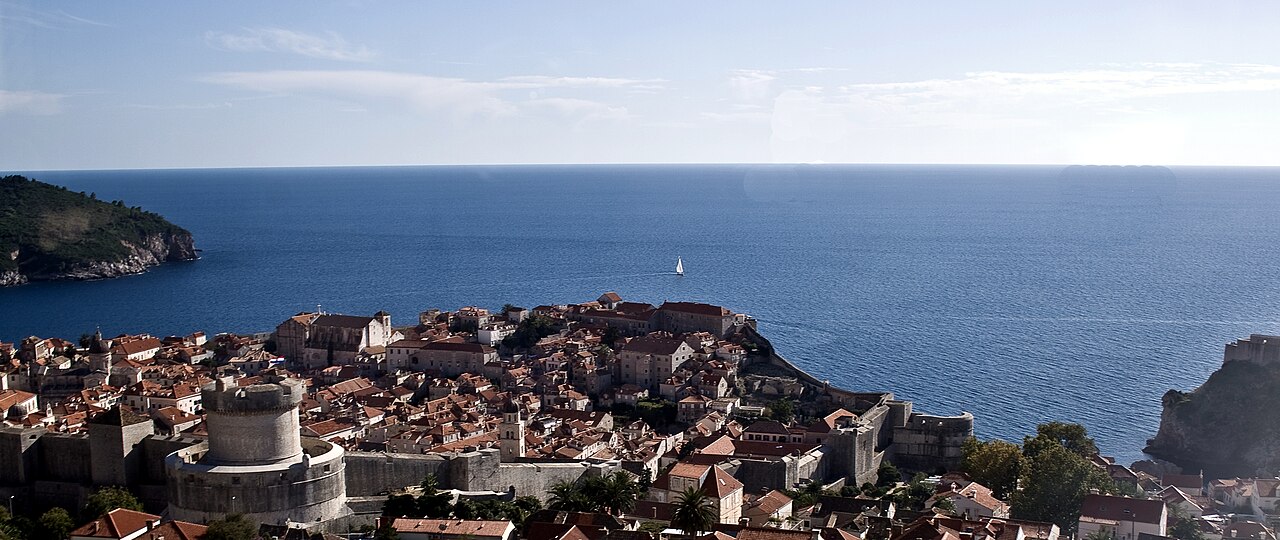
Walk through an old Croatian town and then read about independence in 1991: the apparent contrast is a reminder that a country’s history and its present state arrangements are different timelines. This guide follows the formation of today’s independent Croatia, rather than attempting a complete history of its people.
On June 25, 1991, parliament adopted the constitutional decision on sovereignty and independence and a declaration of an independent state. Implementation was postponed for three months under the Brijuni arrangements. On October 8, parliament severed the remaining state and legal ties with the other Yugoslav republics. Those dates describe different steps in separation from Yugoslavia. [1][2]
January 15, 1992 became a major recognition milestone when all twelve then-members of the European Community recognised Croatia. Recognition by other countries occurred before and afterwards; it was not the first recognition by any country. [3]
The 1990s also contain distinct military and diplomatic milestones. Operation Storm began on August 4, 1995, and Croatian forces took Knin on August 5. Peaceful reintegration of eastern Slavonia, Baranja and western Srijem concluded later, on January 15, 1998. Treating August 1995 as the date every territorial question was completed would erase that later process. [3][4]
Croatia joined the European Union on July 1, 2013. It adopted the euro and entered Schengen on January 1, 2023; internal land and sea border checks ended then, while internal air-border checks ended on March 26. [5][6][7]
These last milestones are visible in everyday life: the currency used for a salary and the arrangements at European borders. They are not interchangeable memberships and do not make every residence or work permission valid throughout Europe. For a newcomer, this timeline offers background for conversations and commemorations; it does not assume that every person remembers these events in the same way.
Sources
- Sabor — independence decision, 25 June 1991 · Official source
- Sabor — severance of state ties, 8 October 1991 · Official source
- Sabor — international recognition and peaceful reintegration · Official source
- Sabor — August 1995 events · Official source
- European Union — Croatia country profile · Official source
- Council of the EU — euro adoption decision · Official source
- Council of the EU — Schengen border decision · Official source
This explanation is based on linked sources and does not claim independent on-the-ground reporting.
Found an error? Send a correction.