
Same gross pay, different take-home: why your city's tax rate matters
Croatian cities and municipalities set their own income tax rates, so two workers on the same gross wage can receive different net pay. Zagreb charges the maximum 23%, a few places charge 15%, and Sinj will join them in January 2027.
Published 2026-10-10 · Source checked 2026-10-07
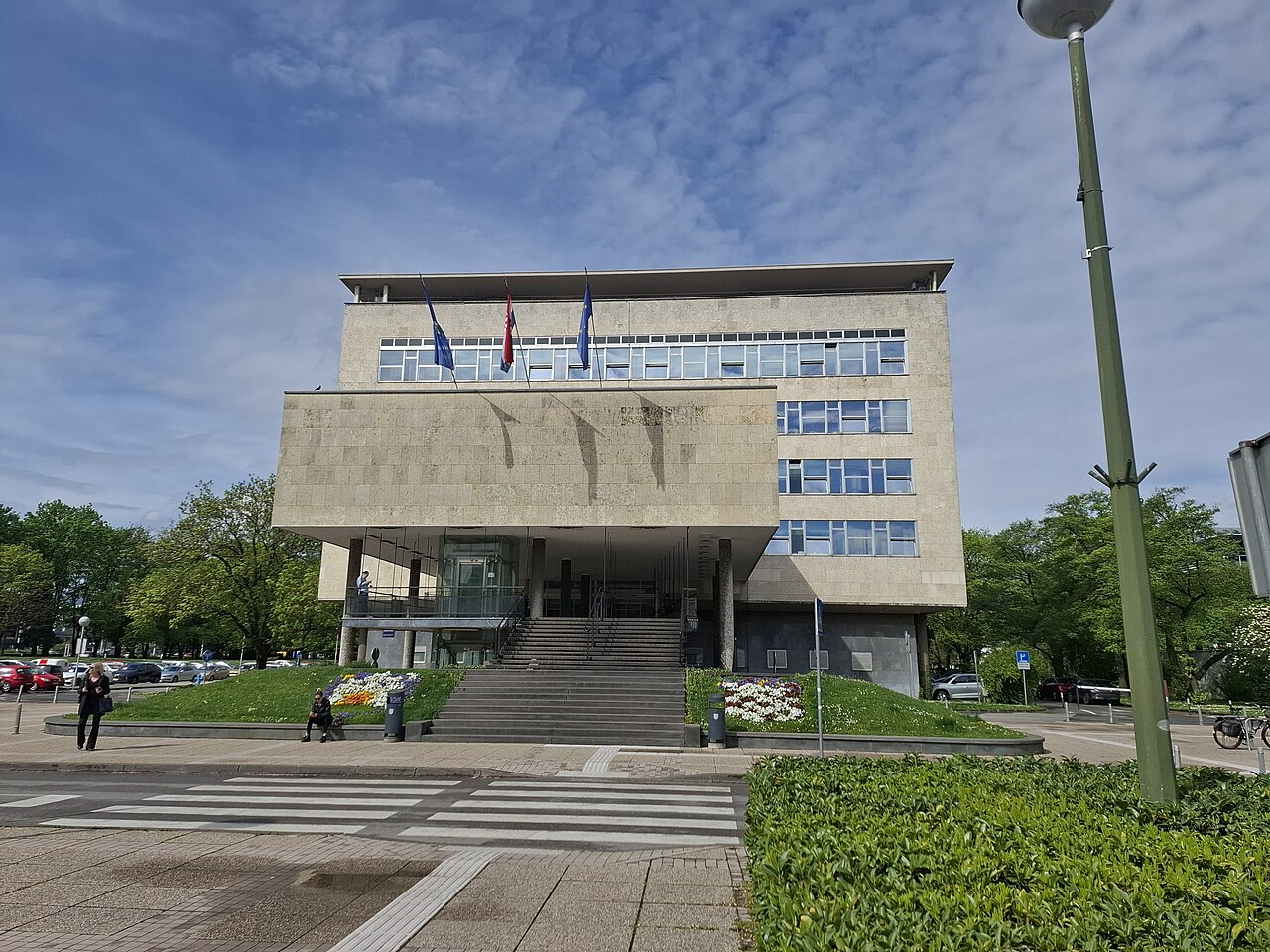
Two people doing the same job for the same gross wage do not always see the same amount arrive in their bank account. Since 2024, every city and municipality in Croatia sets its own income tax rate (porez na dohodak) within limits set by law, and this week Tportal and N1 compared how big the gap can be. The tax on your wage follows where you live – your registered residence – not where your employer's office is.
For a normal wage only the lower rate matters: it applies to the first €5,000 of taxable income each month. According to the Tax Administration's (Porezna uprava) table for 2026, Zagreb uses the maximum lower rate of 23%. Split charges 21.5%, Pula 22%, and Rijeka, Zadar, Osijek, Dubrovnik and Šibenik 20%. Samobor and Bjelovar are at 18%, and Novalja is at the legal minimum of 15%. Sinj's city council has voted to cut its rate from 18% to 15% from 1 January 2027.
Also read: Minimum wage for 2027: what is decided and what is only a proposal
The rate is not charged on your whole wage. First, pension contributions are taken from gross pay; then a personal allowance (osobni odbitak) of €600 a month is tax-free, and only the rest is taxed. That is why the gap is much smaller on lower wages than the €312 a month that Tportal calculated for a €6,000 gross salary. Our own example, using the official rates: if €300 of your monthly pay is taxable, the tax is €69 in Zagreb, €60 in a 20% city and €45 at 15% – a difference of €24 a month, or €288 a year. If €500 is taxable, Zagreb takes €115 and a 15% town €75.
Media reports do not always match the official data. Tportal and N1 list Rijeka at 18%, but the Tax Administration table shows Rijeka at 20% (lower rate) and 25% (higher rate) since 1 January 2026, so check the official table for your own city. Rates can also change: councils have until the end of November to decide rates for next year, and a decision published in Narodne novine takes effect on 1 January.
This is not a reason to change your address just to save tax. Your registered address has to be where you really live, and differences in rent or travel costs can be far bigger than the tax gap. But it helps you read your payslip, and it explains why a friend in another town on the same gross wage may take home a little more.
What to do: on your payslip (obračun plaće), find the taxable amount (porezna osnovica), the income tax line (porez na dohodak) and the city or municipality used. Compare the rate with the Tax Administration table for your city. If you have moved, make sure your new address is registered with the police and that your employer has it, so the right city's rate is used. If something looks wrong, ask your employer's accountant first; the Tax Administration call centre (Pozivni centar) can also explain your case.
Read next
 Work & SalaryMinimum wage for 2027: what is decided and what is only a proposal
 Work & SalaryStudenac wages under watch: what the ministry has confirmed
 Useful GuidesSaving on a Croatian wage: bank deposits, state treasury bills and what Nepal offers
Sources
- Tportal – Ista plaća, isti posao, a tisuće eura razlike (7 Oct 2026) · Newspaper
- N1 Hrvatska – Gdje u Hrvatskoj najviše ostaje od plaće? (7 Oct 2026) · Newspaper
- Index.hr – Ukida se porez na mirovine (personal allowance €600) (9 Oct 2026) · Newspaper
- Slobodna Dalmacija – Sinj proposal to cut income tax rate to 15% (22 Sep 2026) · Newspaper
- Porezna uprava – Tablica poreznih stopa godišnjeg poreza na dohodak za 2026. · Official source
- Porezna uprava – Porezna osnovica i stope · Official source
This explanation is based on linked sources and does not claim independent on-the-ground reporting.
Found an error? Send a correction.