
Buying land in Nepal while working in Croatia: the power of attorney, the land-office checks and the hundi trap
Nepalis in Croatia get a land power of attorney attested at Nepal's embassy in Vienna, not in Zagreb, and must sign it there in person. Before any money moves, the plot should be checked at the land revenue office, and the money should travel only through banks or licensed remittance companies.
Published 2026-10-10 · Source checked 2026-10-10
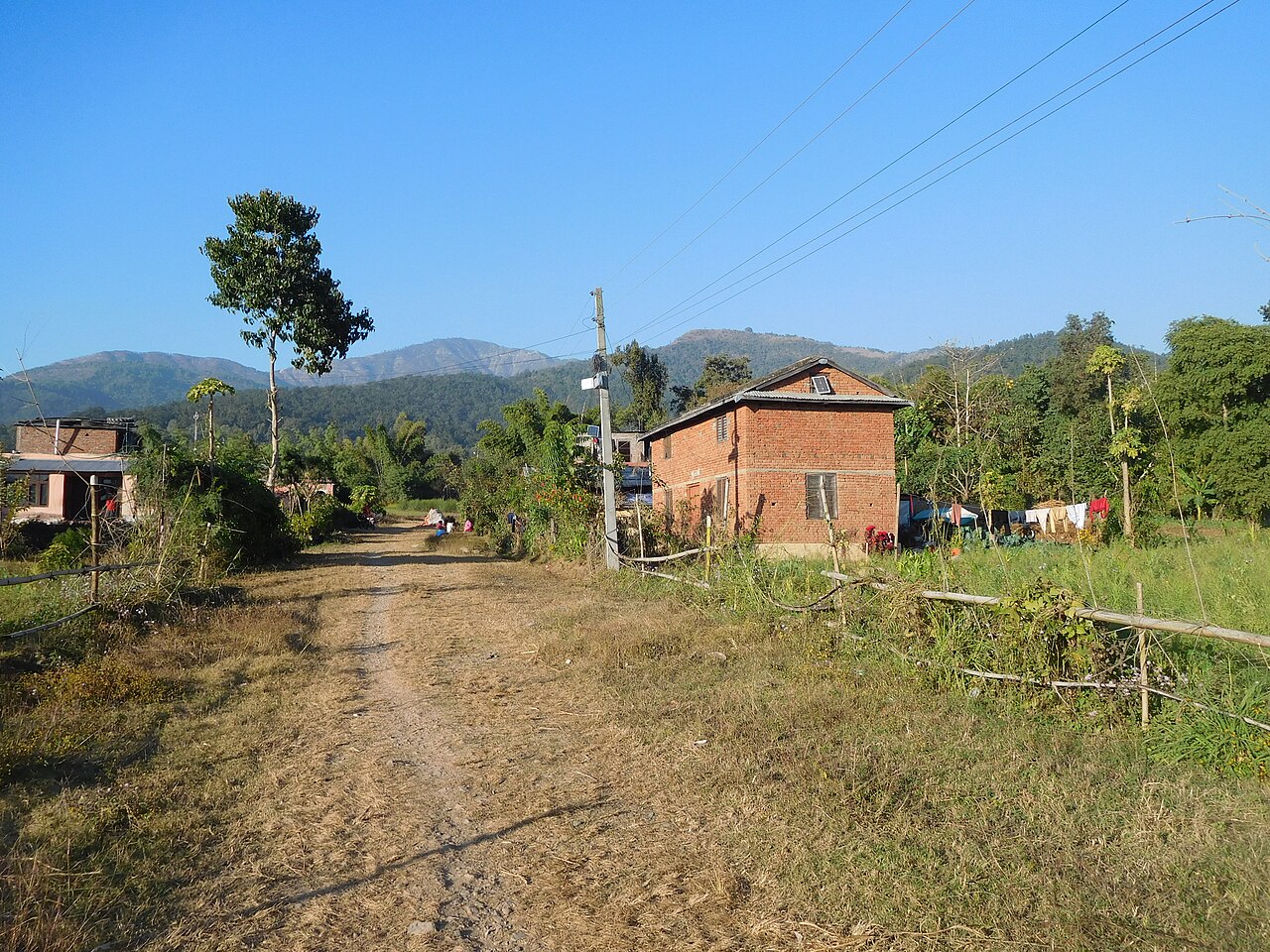
Sending money home is part of life for most Nepali workers in Croatia. In a 2026 survey of 429 Asian and African workers around Zagreb, 81.6 percent said they send money to family abroad (Index.hr, reporting the Institute for Migration Research's study; the researchers call it a guide, not a precise count). For many, the next step is land or a house in Nepal. This explainer covers the paperwork, the checks and the traps. It is general information, not legal, tax or financial advice.
There is no Nepali embassy in Croatia. Nepal's ambassador in Vienna is also accredited to Croatia, so the Embassy of Nepal at Schwindgasse 5/1/6, 1040 Wien, attests a power of attorney (अधिकृत वारेसनामा) for Nepalis living here. The person giving the authority must sign in person before the ambassador or head of mission, by appointment only: email copies of all documents to [email protected] to ask for a slot. The embassy lists two copies of the power of attorney prepared on Nepali paper with photos of both people, an application to the embassy, your passport and citizenship certificate (originals and copies), a copy of the agent's citizenship certificate, and copies of the land papers such as the lalpurja and land-tax receipt. The fee is €5 if the agent is within three generations of your family and €40 for anyone else, paid by bank transfer at least two days before the visit; cash is not taken. Consular hours are 10:00 to 15:00, Monday to Friday.
Also read: After the Bhote Koshi flood: reading recovery news from far away
Because this document lets someone else sign for you at the land office, keep its wording narrow, ideally one plot and one purpose, and choose the agent with care. Forged papers are a known risk in Nepal: in the long-running Lalita Niwas case, police even arrested employees of the Dillibazar land revenue office for allegedly forging documents to move state land into private names (Kathmandu Post, July 2023). The basic protection is to have the plot checked at the land revenue (malpot) office before you pay anything: the kitta number, the registered owner, and whether any freeze or bank mortgage is recorded. A seller who shows only a photocopy or a phone photo, avoids the office check or pushes for a quick cash advance is a reason to stop.
Two newer issues matter in 2026. Since 17 July 2026, land subdivision (kitta kaat) has again been halted in local governments that have not finished land-use classification; by late June only 340 of Nepal's 753 had done so, the Kathmandu Post reported. A plot cut from a bigger parcel in such an area may not be registrable for now. The same report says deals above Rs30 million in metropolitan and sub-metropolitan cities must now go through licensed real-estate companies. Separately, many land records were burned in the September 2025 protests; a Kathmandu Post opinion column says about a million documents were lost but the data survived in a central government system, while transactions in some districts stalled. Ask the office how records in your area stand.
How the money travels matters just as much. Hundi, meaning transfers outside banks and licensed remittance companies, is banned under Section 125 of Nepal's National Penal Code; a conviction can bring confiscation of the money and of property bought with it, plus up to a year in prison (Onlinekhabar, September 2026). Arrests are frequent: in September police held a man over more than Rs1.34 billion in alleged hundi transactions. Through licensed remittance companies, a recipient can collect up to Rs2.5 million a day with valid ID under an NRB directive in force since October 2025 (Nepal News). The Kathmandu Post reported in May 2026 that a growing share of remittances now moves through formal, often digital, channels.
Government savings bonds are another legal option. The latest Foreign Employment Savings Bond (2087) offered Rs500 million at 7.5 percent a year for five years, with interest paid every six months and a minimum of Rs10,000. It was open to Nepalis working abroad or back for less than six months and to non-resident Nepalis, also in a family member's name (Nepal Press/RSS, November 2025); officials said earlier issues often sold below target. When we checked NRB's bond portal on 10 October 2026, no issue was open; Nepali embassies post notices when one opens. On tax, since 17 July 2026 an individual selling land in Nepal pays capital gains tax of 7.5 percent on the profit if it was held five years or more, and 10 percent if held for less (Kathmandu Post).
What to do: email [email protected] with copies of your documents before booking a trip to Vienna; have a registered Nepali lawyer draft the power of attorney for one plot and one purpose; ask your agent to check the kitta, the owner and any freeze at the malpot office before any payment; send money only through a bank or a licensed remittance company and keep every receipt; watch Nepali embassy notices for the next savings bond; and if a deal feels rushed, pause and get independent legal advice in Nepal.
Read next
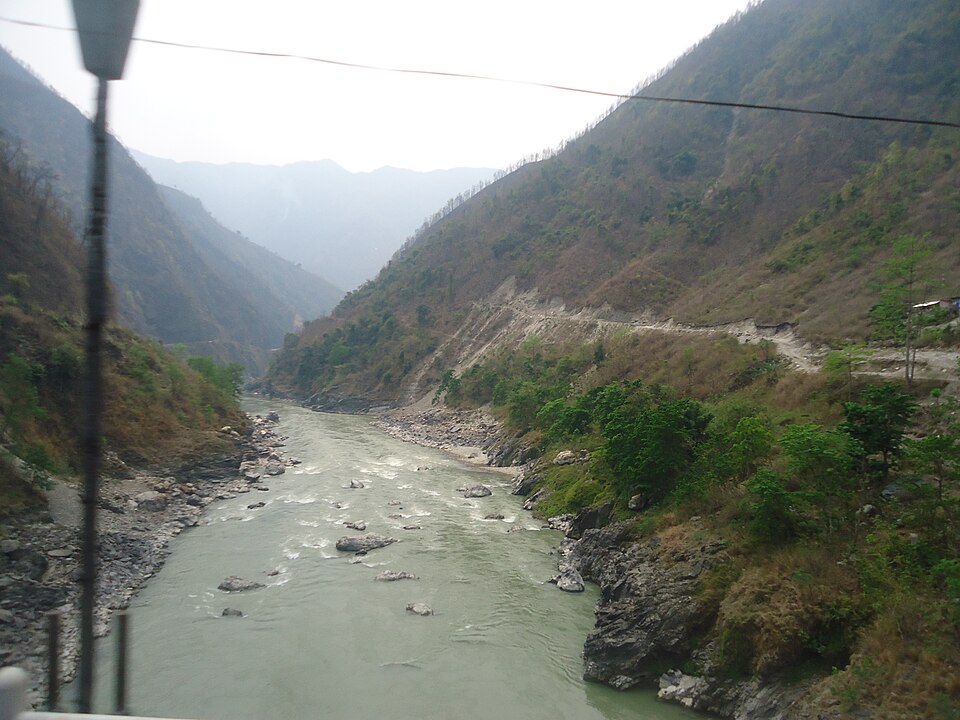 NepalAfter the Bhote Koshi flood: reading recovery news from far away
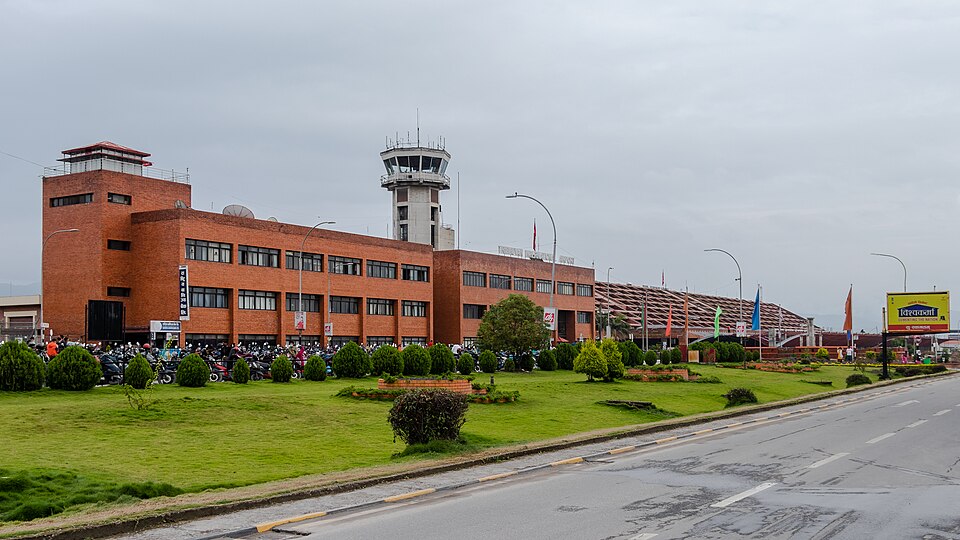 Nepal · GUIDEPlanning a trip home? The passport options from Croatia
 Work & SalarySame gross pay, different take-home: why your city's tax rate matters
Sources
- Embassy of Nepal, Vienna – Power of Attorney Attestation · Official source
- Embassy of Nepal, Vienna – Bank account and revenue amounts · Official source
- Embassy of Nepal, Vienna – Ambassador biography (concurrent accreditation to Croatia) · Official source
- Nepal Rastra Bank – Saving bonds portal (checked 10 Oct 2026) · Official source
- Index.hr – survey of foreign workers in Zagreb (17 Feb 2026) · Newspaper
- The Kathmandu Post – Two more arrested in Lalita Niwas land scam (11 Jul 2023) · Newspaper
- The Kathmandu Post – Real estate revenue hits three-year high as buyers rush before tax hike (20 Jul 2026) · Newspaper
- The Kathmandu Post – The state kept only one copy (opinion, 15 Aug 2026) · Opinion
- The Kathmandu Post – Nepal receives Rs7 billion in remittances daily (11 May 2026) · Newspaper
- Onlinekhabar English – CIB uncovers Rs1.34 billion in alleged hundi transactions (17 Sep 2026) · Newspaper
- Nepal News – NRB increases daily limits for remittance payments (10 Oct 2025) · Newspaper
- Nepal Press (RSS) – Sale of Foreign Employment Savings Bond 2087 opened (15 Nov 2025) · Newspaper
- Wikimedia Commons – Brick house.jpg (photo) · Photo
This explanation is based on linked sources and does not claim independent on-the-ground reporting.
Found an error? Send a correction.