
New Labour Act draft: 5 things Nepali workers hear about pay and holiday, myth or fact?
The ministry published draft changes to the Labour Act on 2 November. Pay must be shown to job candidates, you can ask for average pay of comparable jobs, and unused holiday can be carried longer. It is still a draft.
Published 2026-11-04 · Source checked 2026-11-02
On Monday 2 November the Ministry of Labour presented draft changes to the Labour Act (Zakon o radu). It is a draft in public consultation, not yet law. Here are five things people are saying, checked against the ministry's own words.
1. MYTH: "Everyone will see their colleagues' pay." Not exactly. You will be able to ask for the average pay of people in comparable jobs, split by women and men, not your colleague's personal salary.
 Work & SalaryTax refund in Croatia: do you get money back? What to do before the end of February
2. FACT: employers must tell candidates the starting pay or pay range before or at the job interview. No more finding out the pay after you have signed. Clear pay may also be shown in the job ad.
3. FACT: unused holiday can be carried longer in some cases. The normal rule stays: use last year's holiday by 30 June. But if illness or parental leave stopped you, you could use it until 31 December, and in a second case up to 3 more months (15 months after the end of that year).
4. MYTH: "Pay goes up automatically." Unions say it will not raise pay by itself, but it gives you a basis to challenge unequal pay in court. Employers will have at least six months to prepare after the law starts, and fines can apply if they refuse your request.
5. FACT: employers must grade jobs by skills, responsibility, effort and working conditions. Large employers will report pay gaps each year, smaller ones every three years.
What to do: keep your contract and payslips, and ask the pay range before any interview. Watch for the final law in parliament. Which of the five surprised you? Tell us. Read more: pay transparency explained and your annual leave rights.
Read next
 Work & SalaryCroatia sets the 2027 minimum wage: €1,130 gross. 5 things that change for you on 1 January
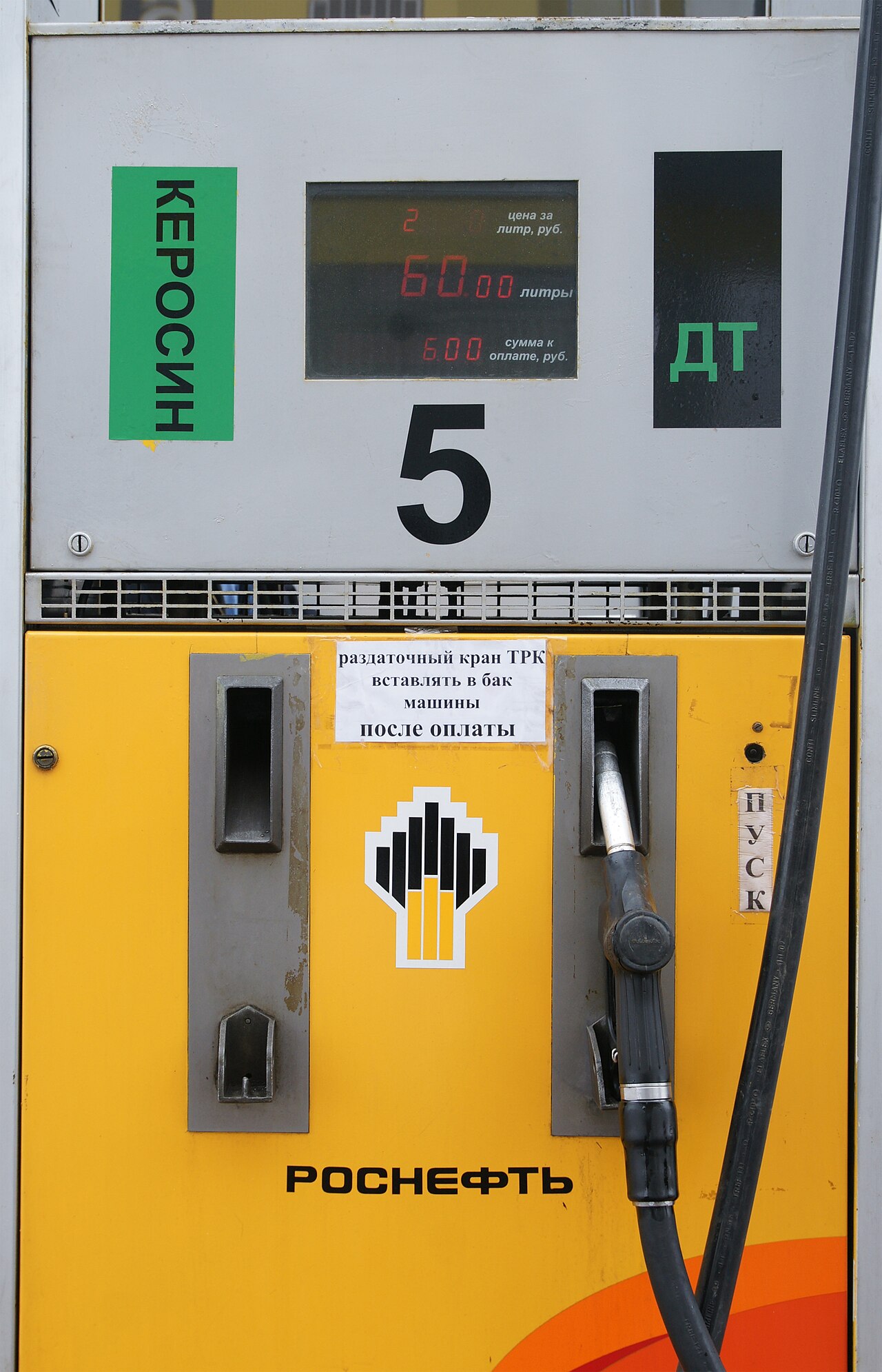 Life in CroatiaFuel from 3 November: diesel 1.89, petrol steady, gas bottles 10 cents dearer
Sources
- HRT – Predstavljene izmjene Zakona o radu · Newspaper
- Dnevnik.hr – Stižu nova pravila o plaćama i godišnjem · Newspaper
- Zagreb.info – Mijenja se Zakon o radu · Newspaper
This explanation is based on linked sources and does not claim independent on-the-ground reporting.
Found an error? Send a correction.