
Dreaming of your own shop or barbershop in Croatia? What a non-EU worker has to meet first
Croatian law lets foreigners run an obrt or a company on the same terms as Croats, but a non-EU owner who wants to work in it needs a separate self-employment permit with steep conditions, including three full-time Croatian employees. Here is how the rules, taxes and trade licences look in October 2026.
Published 2026-10-10 · Source checked 2026-10-07
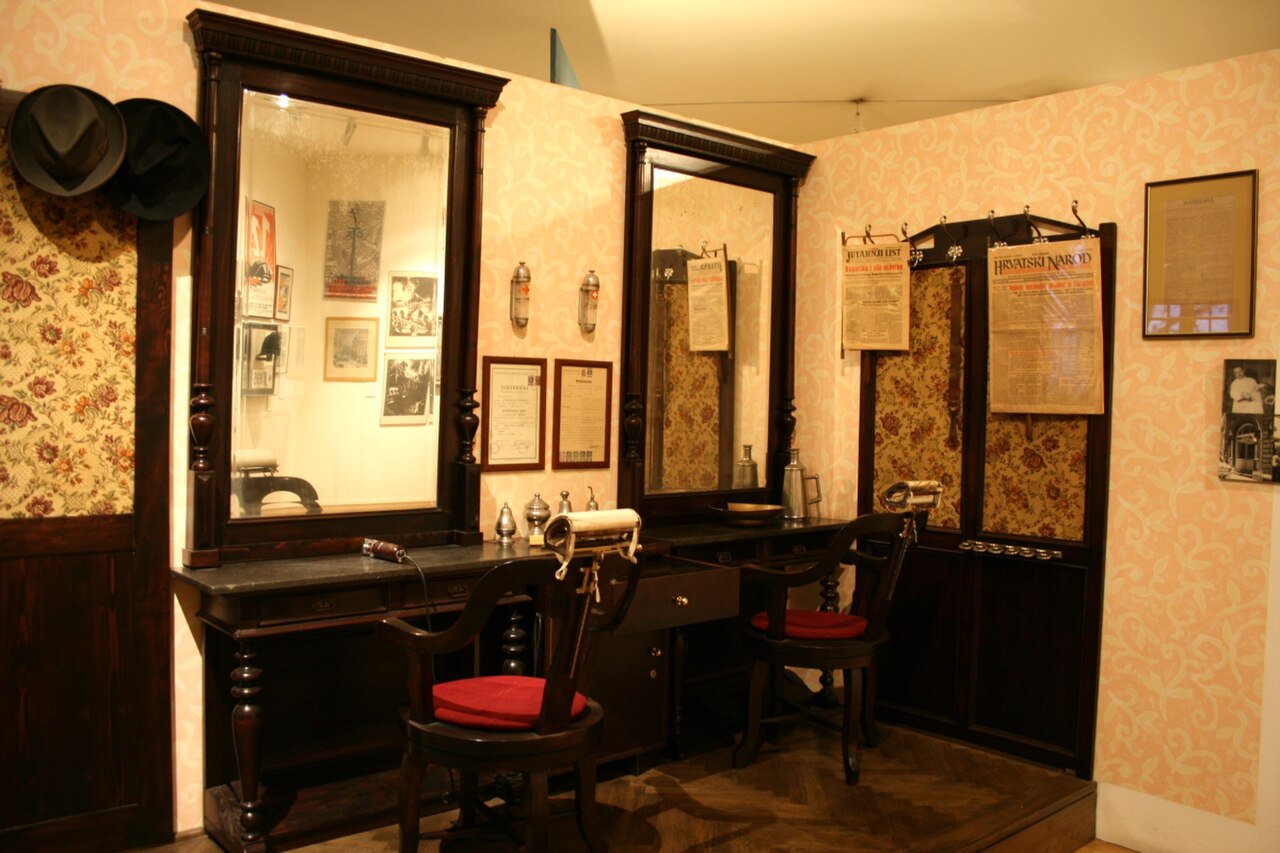
Some Nepalis in Croatia are moving from factory floors to their own counters. Asmin Basnet and Resham Kafle worked for years in Međimurje factories before opening an Asian grocery in central Čakovec, HRT reported in May 2025. Basnet said the business is manageable if everything is arranged legally; Kafle said some products take up to two months to arrive. This explainer sets out what a non-EU worker must meet to do something similar. It is general information, not legal or tax advice, and rules can change.
There are two common forms. An obrt (sole trade) is registered in the Obrtni registar; registration has been free since 2021 and can be started online through e-Obrt by anyone with registered residence in Croatia, foreigners included (gov.hr). A d.o.o. (limited company) needs at least €2,500 in share capital, with a quarter paid in before registration; a j.d.o.o. can start with less. The fully online START system is only for Croatian citizens, and the e-court register route for Croatian and EU/EEA citizens, so a Nepali founder normally goes the physical way: a notary, then the commercial court (gov.hr).
Also read: Saving on a Croatian wage: bank deposits, state treasury bills and what Nepal offers
The real hurdle is the residence permit, not the registration. HOK, the chamber of trades, says non-EU nationals need a stay-and-work permit from the Interior Ministry (MUP) if they intend to work in their own obrt, so the order is: register the obrt without a start date, get the permit, then report the start date. Under Article 113 of the Aliens Act (Zakon o strancima, as amended in May 2026), a non-EU national who is self-employed as sole owner of a company or obrt must show three things: at least €26,544.56 invested in founding it; at least three Croatian citizens employed permanently and full-time, each paid at least last year's average gross wage; and, for a company owner, a monthly gross salary of at least 1.5 times the average gross wage, or, in an obrt, self-employment income of at least 1.5 times the average monthly net wage. Anyone owning 51 percent or more must use this route and cannot get an ordinary employee permit for the same or another business.
In numbers: Croatia's average for 2025 was €2,016 gross and €1,449 net a month (DZS, published in Narodne novine). By our calculation, that means three staff costing at least about €6,050 a month in gross pay alone, plus an owner's pay of roughly €3,000 gross (company) or €2,200 net (obrt); January 2026 averages were already higher. For a one-chair barbershop or a small shop, that bar is very high. It does not apply to everyone: people holding long-term residence (dugotrajni boravak, normally possible after five years of continuous temporary stay), permanent residence, or family-reunification stay with a Croatian citizen or long-term resident can work in Croatia without a work permit under Article 89, which changes the picture.
Trades with qualifications add another layer. Hairdressing (Frizerski saloni) is a vezani obrt that requires a master craftsman exam (majstorski ispit), under the 2024 rulebook on regulated trades. HOK says someone without that qualification can still run the trade by employing a full-time worker who has it, and people with relevant higher education may open it but must pass the master exam within three years. Qualifications earned abroad need recognition, and gov.hr lists proof of the right to use business premises as a requirement for trades such as hairdressing.
Many small obrts choose flat-rate (paušalni) taxation, allowed up to €60,000 in annual receipts. The Tax Administration sets seven brackets, with yearly tax from €203.40 (receipts up to €11,300) to €1,080 (€50,000 to €60,000), paid quarterly. If the obrt is your main activity, pension and health contributions are €290.98 a month in 2026, due by the 15th, whether or not you earn anything that month (HOK). A government bill sent to the Sabor on 10 September 2026 would raise the burden from 2027 only for receipts above €40,000; it is still a proposal (HRT). One open question: the paušal system uses a fixed notional income, and it is unclear how MUP counts that against the income test above, so ask before you plan around it. Note too that fewer Nepalis are arriving: about 14,500 permits went to Nepali nationals by the end of July 2026, some 6,000 fewer than a year earlier (Croatia Week), which matters if your customers would mainly be fellow workers.
What to do: first check which residence status you hold, because long-term residence opens the door far more easily than an ordinary work permit; ask your local MUP police administration in writing how Article 113 would apply to your plan; talk to HOK's free advisory service or a regional chamber of trades before signing a lease; for hairdressing, sort out the master exam or a qualified employee first; and budget for monthly contributions from day one, not from your first profit.
Read next
 Useful GuidesSaving on a Croatian wage: bank deposits, state treasury bills and what Nepal offers
 Useful Guides · GUIDERenting in Croatia: your lease, your deposit and the three-day address rule
 Work & SalarySame gross pay, different take-home: why your city's tax rate matters
Sources
- Zakon o strancima – consolidated text incl. NN 55/26 (Zakon.hr; Art. 89, 113, 150) · Law (consolidated text)
- Narodne novine 55/2026 – Zakon o izmjenama i dopunama Zakona o strancima · Official source
- HOK – Uvjeti za obavljanje obrta stranaca u RH · Official source
- HOK – Uvjeti za otvaranje i obavljanje obrta · Official source
- HOK – Paušalno oporezivanje dohotka (2025 and 2026) · Official source
- gov.hr – Otvaranje obrta u Hrvatskoj · Official source
- gov.hr – Osnivanje društva s ograničenom odgovornošću · Official source
- Porezna uprava – Godišnji paušalni dohodak · Official source
- Narodne novine 21/2026 – average net and gross wage for 2025 (DZS) · Official source
- DZS – Average earnings, January 2026 · Official source
- Narodne novine 148/2024 – Pravilnik o vezanim i povlaštenim obrtima · Official source
- HRT – U Sabor upućene porezne izmjene … paušalce (10 Sep 2026) · Newspaper
- HRT – Nepalski poduzetnici u Čakovcu grade svoj san (18 May 2025) · Newspaper
- eMedjimurje – Od dućana do restorana (20 May 2025, citing HRT) · Newspaper
- Croatia Week – Nepalese numbers fall and Filipinos rise (11 Aug 2026) · Newspaper
- Wikimedia Commons – Brijacnica MGZ 080209.jpg (photo) · Photo
This explanation is based on linked sources and does not claim independent on-the-ground reporting.
Found an error? Send a correction.