
Renting in Croatia: your lease, your deposit and the three-day address rule
A written lease protects you, and it is also what the police ask for when you register your address, which workers from outside the EU must do within three days. Here is what the law says today, what a proposed new law would change, what flats cost in Zagreb and on the coast, and how to spot a fake ad.
Published 2026-10-10 · Source checked 2026-09-05
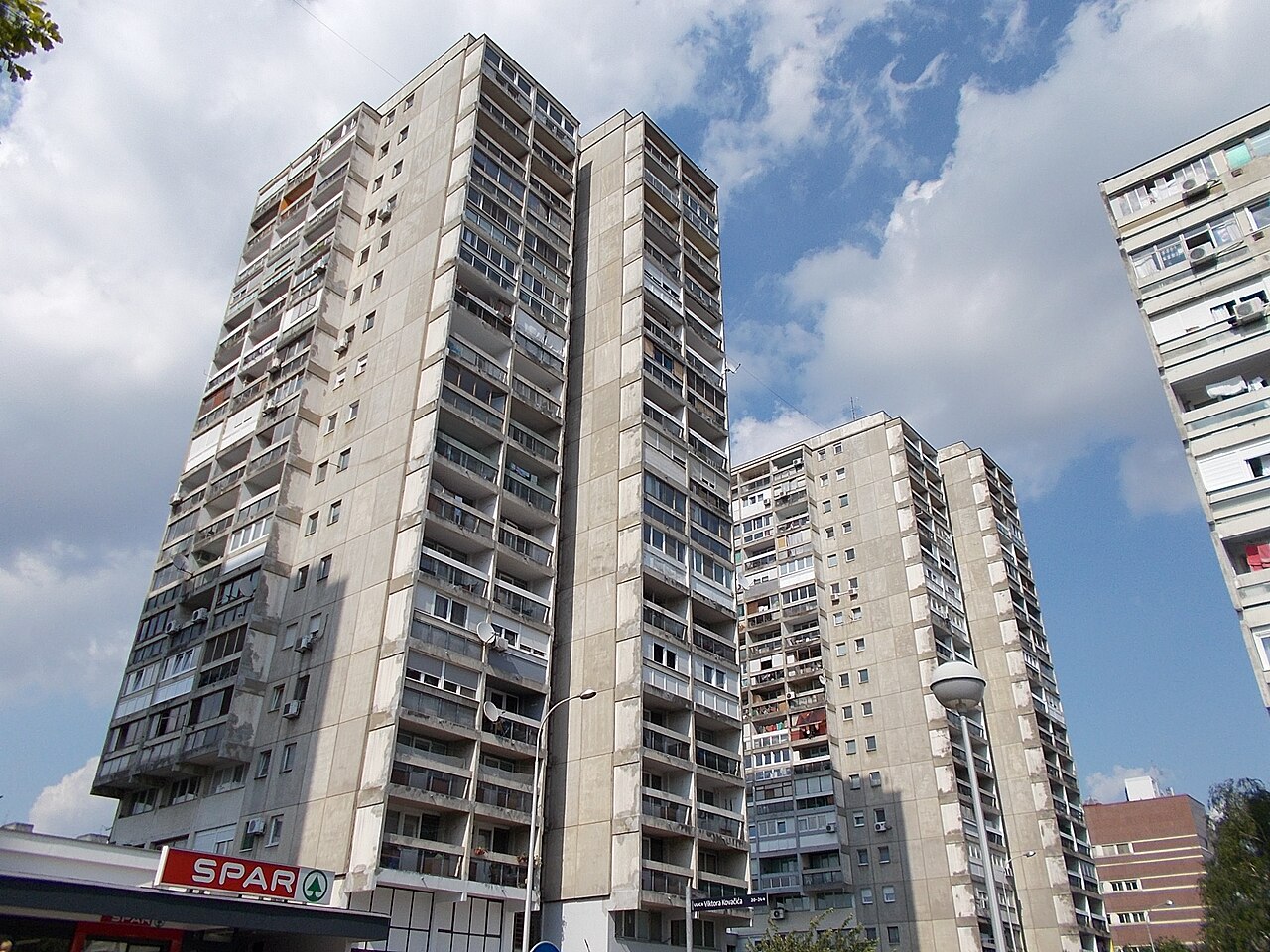
Croatian law requires a flat lease (ugovor o najmu stana) to be in writing, and the government's gov.hr guide says it should set out the rent, the other rights and duties of both sides, and the notice period. For a worker from Nepal this paper matters twice. According to MUP, a third-country national on temporary stay must register their residence and address (prijava boravišta) within three days of entering Croatia, and must also report a change of address; people with permanent or long-term residence have 15 days. You register at the police administration or station with form Obrazac 16a, your passport or residence card, and proof of the address: a lease, the owner's title deed, or the owner's written consent. If the lease has been certified by a notary (javni bilježnik), the owner does not have to come with you. Without a lease you can show, this step becomes difficult.
Under the current law, a landlord can end a lease if the tenant does not pay rent and agreed costs, sublets without permission or disturbs the neighbours, but only after a written warning that gives 30 days to fix the problem. The notice to move out is then three months, counted from the first day of the following month. The current law sets no specific rule for the deposit (polog), so the amount and when it is returned depend on what your contract says. A new Zakon o najmu stanova presented by the government on 31 July 2026 would change much of this, but it is only a proposal that went to public consultation and is not law yet. The draft would require every new long-term lease to be signed before a notary, set the deposit at one month's rent, let the landlord inspect the flat twice a year with advance notice unless agreed otherwise, and let the tenant leave without giving a reason on 60 days' notice. For a breach, the landlord would have to give 15 days to fix it and then at least 30 more days to move out.
Also read: Saving on a Croatian wage: bank deposits, state treasury bills and what Nepal offers
If your employer provides or arranges your housing, stricter rules have applied since 30 April 2026, when amendments to the rulebook on the stay of third-country nationals came into force. The accommodation must have at least 14 m² for the first worker and 6 m² more for each additional person, which means no more than eight workers in a 56 m² flat; a house may hold at most ten workers per 150 m². The rent may not be more than 30% of your net pay and may not be deducted automatically from your wage, and the employer must give you a lease or a written statement showing the terms and the rent. With a work-permit application, the employer now signs a new form, Obrazac 17a, confirming under criminal and material liability that the housing meets these rules. On a net wage of €900, for example, the 30% cap means rent of no more than €270.
Prices depend heavily on the city. N1 checked asking prices on Njuškalo and in Facebook groups at the end of August 2026: in Zagreb, studios and small one-room flats of 20 to 35 m² were mostly offered at €450 to €700, most often at €600 (€550 a year earlier), and flats of 35 to 55 m² mostly at €600 to €950, most often €800. In Split the most common price for a studio was also €600, and most Split ads offer flats only from 1 October to mid-June or early July, when they switch to tourist rentals. In Rijeka the most common price for a studio was €500 and for a flat up to 50 m² €650, with small flats on the edge of town from €250 to €300. Njuškalo data reported by Lider show long-term rental supply growing in Zagreb but falling sharply in Rijeka, Split and Zadar. We found no reliable published figures for a single bed in a shared flat, so sharing costs have to be worked out case by case. Fake ads are a real risk: in November 2025 Zagreb police reported a man who booked a short-stay apartment in Trešnjevka, photographed it, advertised it for long-term rent at €450 a month, showed it to several people and took €300 to €900 from each of them, about €5,500 in total. Index.hr reported more cases in summer 2026 of people paying deposits through social media for flats in Zadar and Rovinj that the real owners had never offered.
What to do: never pay a deposit before you have seen the flat and have a written lease that names the owner, and ask to see proof of ownership; the public land register (zemljišne knjige) can be checked online. Pay by bank transfer and keep every receipt rather than handing over cash. On moving-in day, photograph the rooms and the electricity, water and gas meters and attach the readings to the contract. Register your address at the police within three days and keep the lease with your permit papers. If your employer houses you, compare the rent with 30% of your net pay and check that it is not taken straight out of your wage. Treat very cheap offers, pressure to pay quickly and landlords who refuse a contract or address registration as warning signs, and report fraud to the police on 192. The new rental law is still a draft, so check the final text before relying on it.
Read next
 Useful GuidesSaving on a Croatian wage: bank deposits, state treasury bills and what Nepal offers
 Useful GuidesDreaming of your own shop or barbershop in Croatia? What a non-EU worker has to meet first
 Work & SalarySame gross pay, different take-home: why your city's tax rate matters
Sources
- MUP – Upute o proceduri: prijava/odjava prebivališta/boravišta i promjena adrese za strance · Official source
- MUP – Državljani trećih zemalja (three-day address registration) · Official source
- gov.hr – Najam nekretnine · Official source
- Narodne novine 43/2026 – Pravilnik o izmjenama i dopunama Pravilnika o boravku državljana trećih zemalja · Official source
- HRT Vijesti – Novi pravilnik za strane radnike (20 Apr 2026) · Newspaper
- Vlada RH – Novi Zakon o najmu stanova bolje štiti i najmoprimce, ali i najmodavce (31 Jul 2026) · Official source
- Novi list – Predstavljen novi Zakon o najmu stanova (31 Jul 2026) · Newspaper
- Index.hr – Stižu velike promjene za podstanare i vlasnike stanova (31 Jul 2026) · Newspaper
- N1 – Zagreb rents, end of August 2026 · Newspaper
- N1 – Split, Rijeka and Osijek rents (31 Aug 2026) · Newspaper
- Lider – Njuškalo data on long-term rental supply (5 Sep 2026) · Newspaper
- Policijska uprava zagrebačka – prijevare s iznajmljivanjem stana (Nov 2025) · Official source
- Index.hr – Sve više lažnih oglasa za smještaj na moru (11 Jul 2026) · Newspaper
This explanation is based on linked sources and does not claim independent on-the-ground reporting.
Found an error? Send a correction.